

 Gift Cards
Best Knives for Emergency Preparedness Kits
30th Dec 2025
Essential Blades for Survival, Safety, and Self-Reliance
When building an emergency preparedness kit, food, water, and first aid often come first. But one of the most critical tools in any emergency scenario is often overlooked: a reliable knife. From cutting rope and preparing food to building shelter and performing emergency repairs, the right knife can make a real difference when standard systems fail.
This guide breaks down the best knives for emergency preparedness kits, what features to look for, and which types of knives are most useful in real-world survival situations.
Why Knives Matter in Emergency Preparedness
In emergencies caused by natural disasters, power outages, vehicle breakdowns, or evacuation scenarios, a knife becomes a multi-purpose survival tool. A quality blade can help with:
- Cutting cordage, webbing, and seatbelts
- Preparing food and processing game or fish
- Making an emergency shelter or kindling
- Opening packaging and supplies
- Performing basic gear repairs
Unlike electronic tools, knives require no batteries, are dependable in extreme conditions, and work when other tools fail.
What Makes a Knife Good for an Emergency Kit?
When choosing knives for emergency preparedness, prioritize function, durability, and versatility over novelty.
Key features to look for:
- Strong steel that holds an edge and resists damage
- Secure grip for wet or cold conditions
- Simple construction that’s easy to maintain
- Reliable sheath or carry method
- Purpose-driven design, not decorative features
Best Types of Knives for Emergency Preparedness Kits
Rather than relying on a single blade, most well-rounded kits benefit from multiple knife types . Here’s how different knives serve different emergency roles.
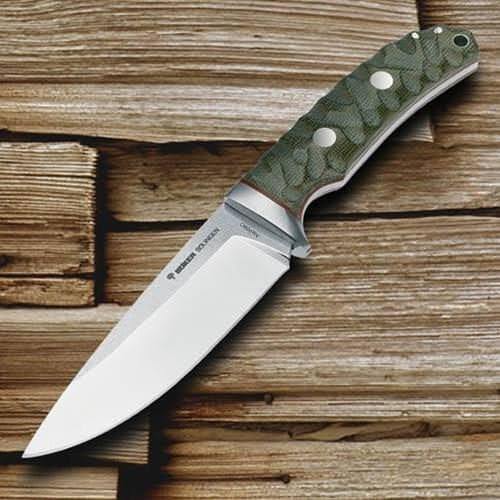
1. Fixed-Blade Survival Knives
Best for: Shelter building, heavy cutting, general survival tasks.
A fixed-blade knife is often the backbone of an emergency kit. With no folding mechanism to fail, these knives excel at demanding tasks such as batoning wood, cutting branches, and preparing food over a campfire.
Why they’re essential:
- Strong, reliable construction
- Easy to clean and maintain
- Effective for both utility and survival tasks
Atlanta Cutlery offers a range of fixed-blade knives and survival-style blades designed for outdoor and emergency use, making them a solid foundation for preparedness planning.
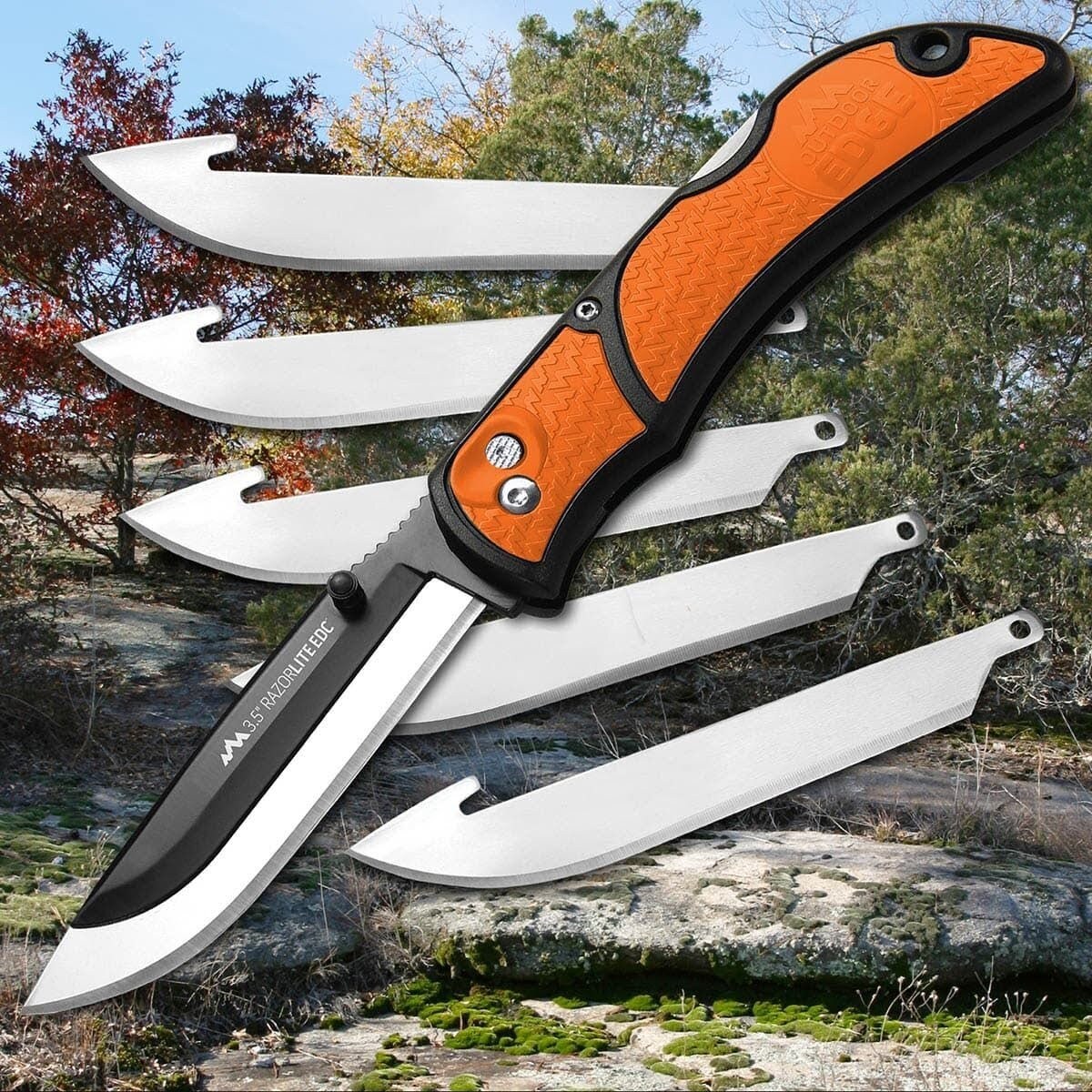
Outdoor Edge RazorLite EDC Knife
2. Folding Knives for Compact Kits
Best for: Everyday emergencies, go-bags, vehicle kits
Folding knives are ideal when space and weight matter. They’re easy to store, quick to deploy, and useful for daily cutting tasks during emergencies.
Why they belong in a kit:
- Compact and lightweight
- Safer to store in tight spaces
- Useful for quick, precise cutting
A quality folding knife is especially practical for car emergency kits, evacuation bags, or workplace preparedness setups.
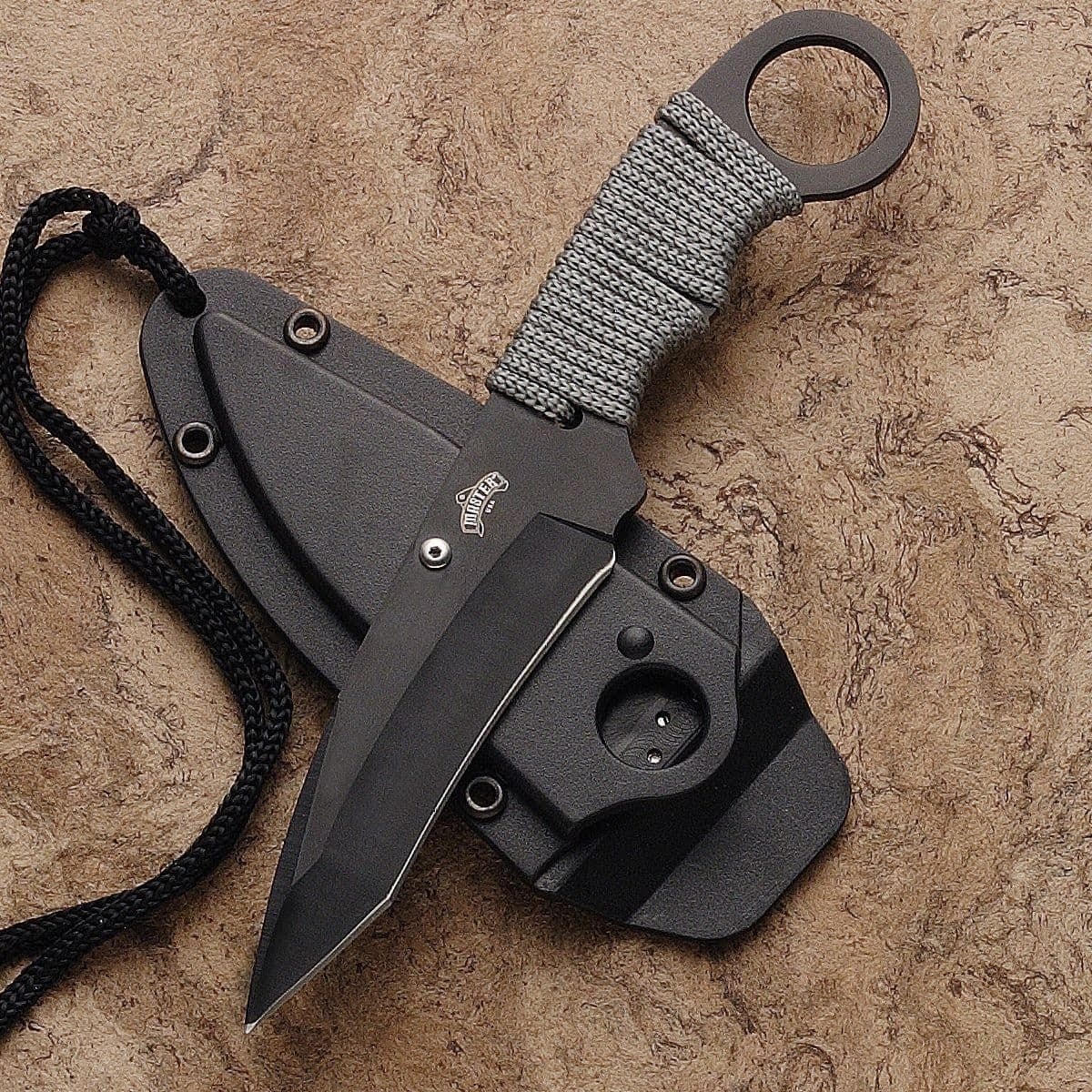
3. Neck Knives and Backup Blades
Best for: Quick access, redundancy, last-resort cutting
Neck knives provide a lightweight backup blade that stays accessible even if other gear is lost or damaged. In emergencies, redundancy matters.
Why they’re useful:
- Always within reach
- Minimal weight and bulk
- Ideal for cutting cord, fabric, or tape
As a secondary tool, a neck knife adds an extra layer of preparedness without taking up valuable space.
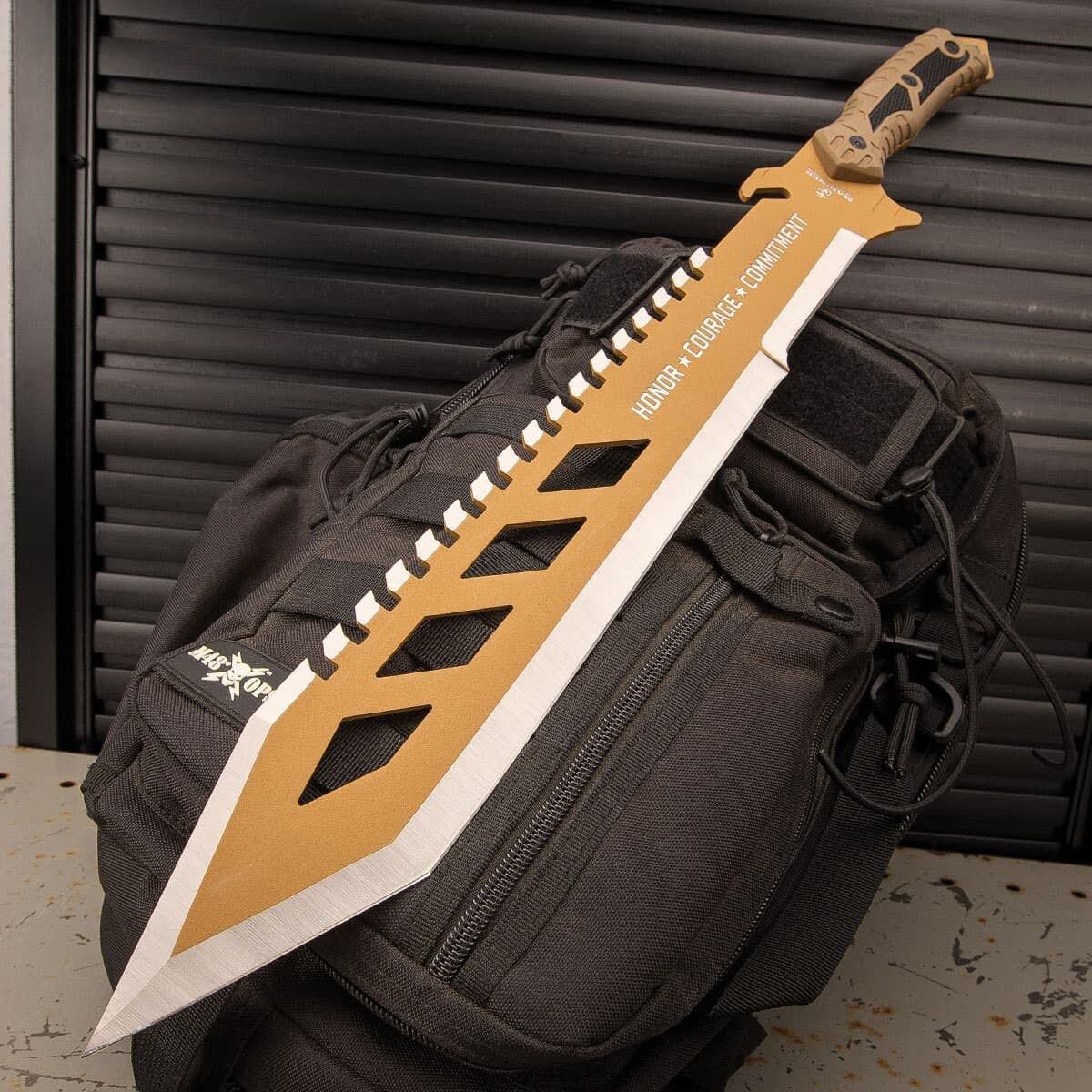
USMC Desert Ops Sawback Machete
4. Machetes and Heavy Choppers
Best for: Storm debris, clearing brush, extended outdoor emergencies
In regions prone to hurricanes, flooding, or heavy vegetation, a machete or large chopper can be invaluable. These blades excel at clearing paths, cutting debris, and processing larger materials.
Why they’re worth considering:
- Effective for storm cleanup
- Useful for shelter building
- Excellent for rural or wilderness environments
Atlanta Cutlery carries machetes and heavy-duty choppers that can play a critical role in extended emergency scenarios.
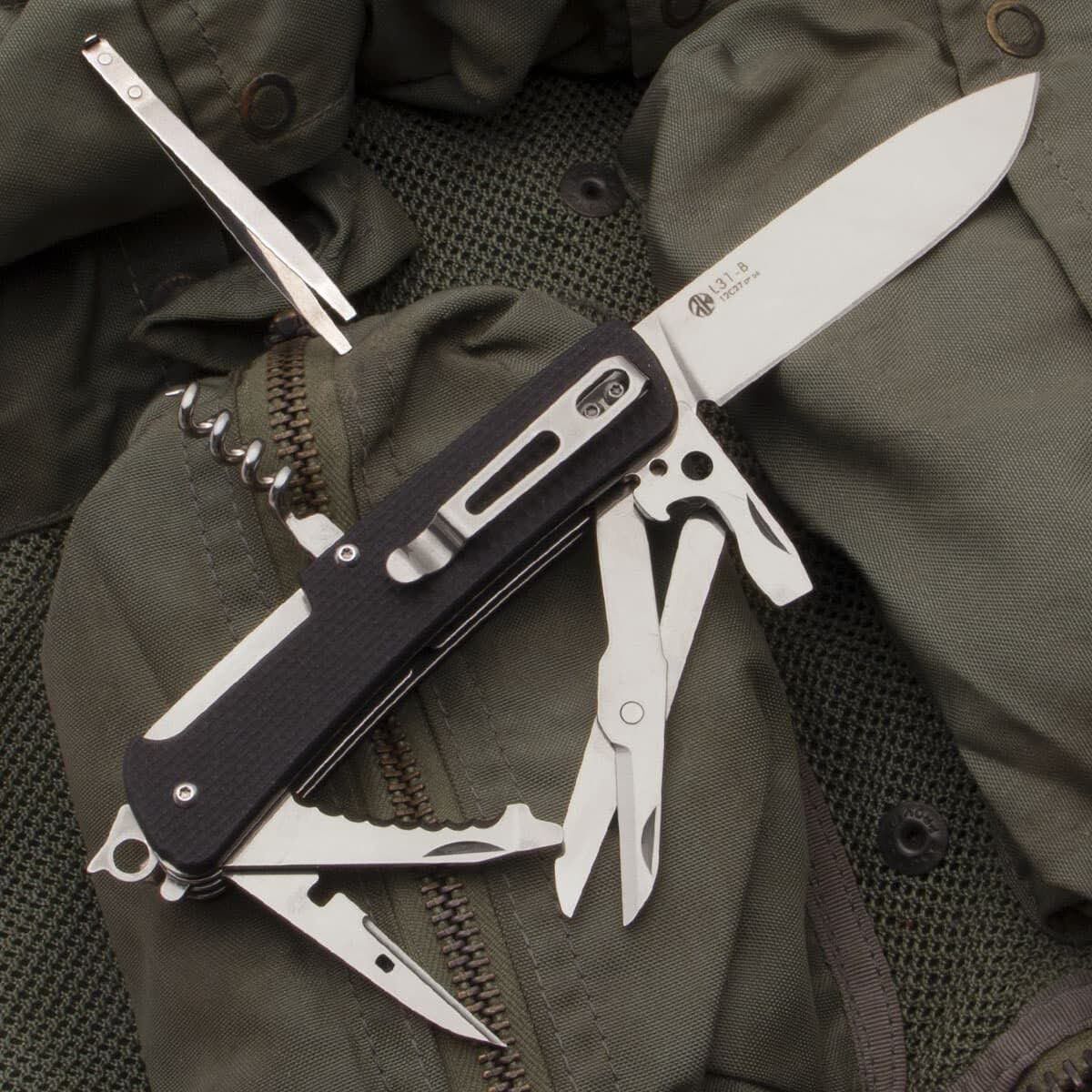
5. Multi-Tool Knives (When Space Is Limited)
Best for: Urban emergencies, compact go-bags
While not a replacement for a full knife, multi-tool knives provide additional functionality, such as screwdrivers or small saws, which can be helpful in urban or mechanical emergencies.
They work best as a supplement, not a primary cutting tool.
How Many Knives Should an Emergency Kit Have?
For most people, an effective setup includes:
- One primary knife (fixed blade or sturdy folder)
- One backup blade (folding knife or neck knife)
Vehicle or home kits may benefit from adding a larger blade, like a machete, for debris and outdoor tasks.
Knife Care and Storage in Emergency Kits
Preparedness doesn’t stop at choosing the knife. Proper storage ensures your blade is ready when needed:
- Store knives clean, dry, and lightly oiled
- Use a secure sheath to prevent injury
- Check blades periodically for rust or dull edges
- Practice safe handling before an emergency occurs
A knife you don’t know how to use safely is less effective when it matters most.
Build a Smarter Emergency Kit with Atlanta Cutlery
Emergency preparedness is about self-reliance and readiness, and the right knife is one of the most dependable tools you can own. Whether you’re assembling a home emergency kit, a vehicle go-bag, or a long-term preparedness setup, Atlanta Cutlery offers a wide selection of fixed blades, folding knives, neck knives, and machetes designed for real-world use.
Choose tools built for reliability, not hype, because preparedness is about function when it counts.