

 Gift Cards
U.S. Knife Laws Explained: Kukris, Neck Knives, Everyday Carry, and Travel Rules
17th Dec 2025
Knives are useful tools, but in the U.S., their legality depends on what the knife is, where you are, and how you’re carrying it. This guide answers common questions about kukris, neck knives, everyday carry (EDC), and traveling with knives, with a focus on ownership versus carry and practical safety considerations.
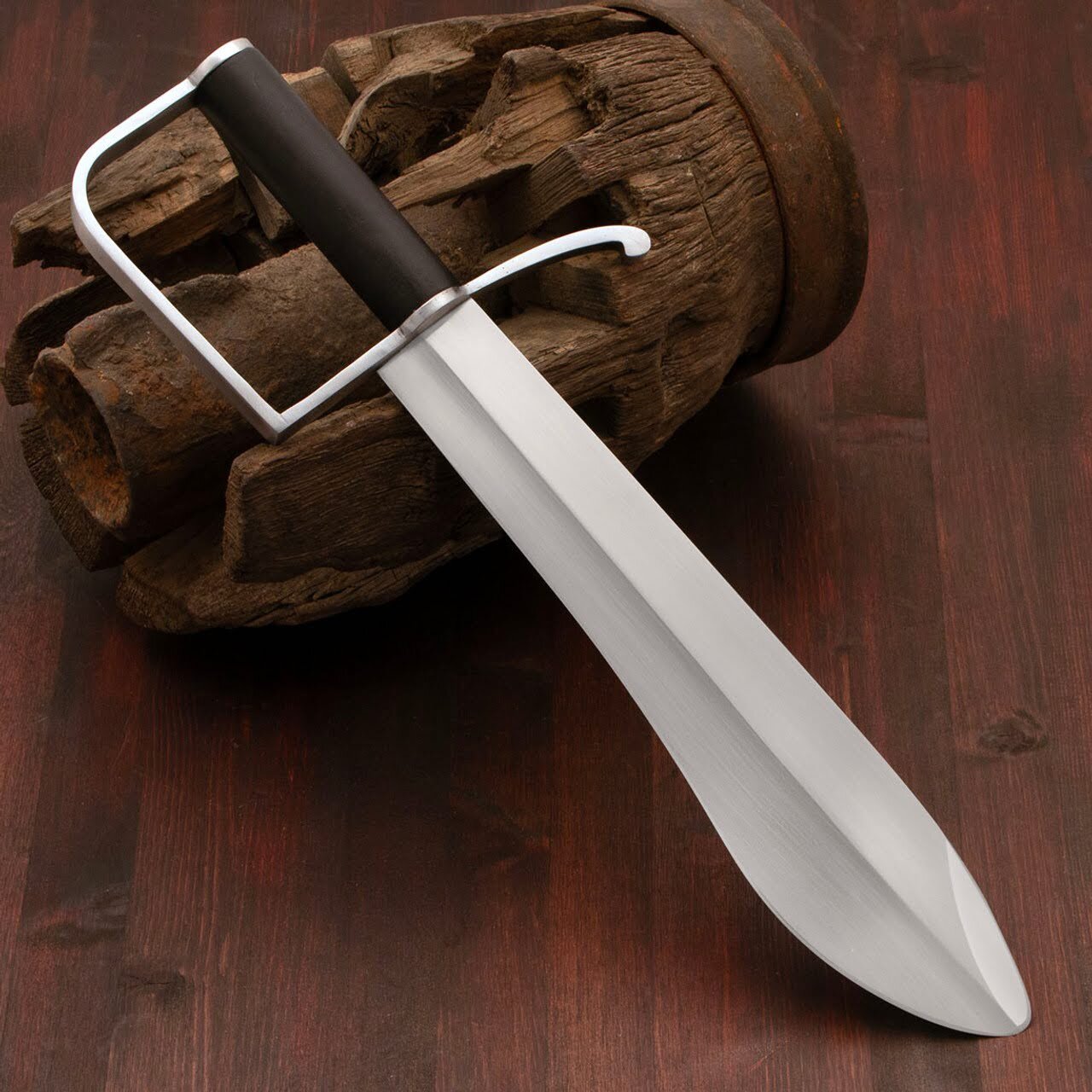
Are Kukris Legal to Own and Carry in the U.S.?
In most U.S. states, owning a kukri (or khukuri) — a traditional Nepalese fixed-blade knife — is legal as personal property. There is no federal ban on owning fixed-blade knives like kukris, and many states treat large knives as tools rather than inherently prohibited weapons.
However, whether you can carry a kukri in public depends on state and local law. Many jurisdictions restrict the public carry of large fixed blades or classify them as “dangerous weapons” when carried concealed or without a legitimate purpose. Always check your state and local knife laws before carrying a kukri outside private property.
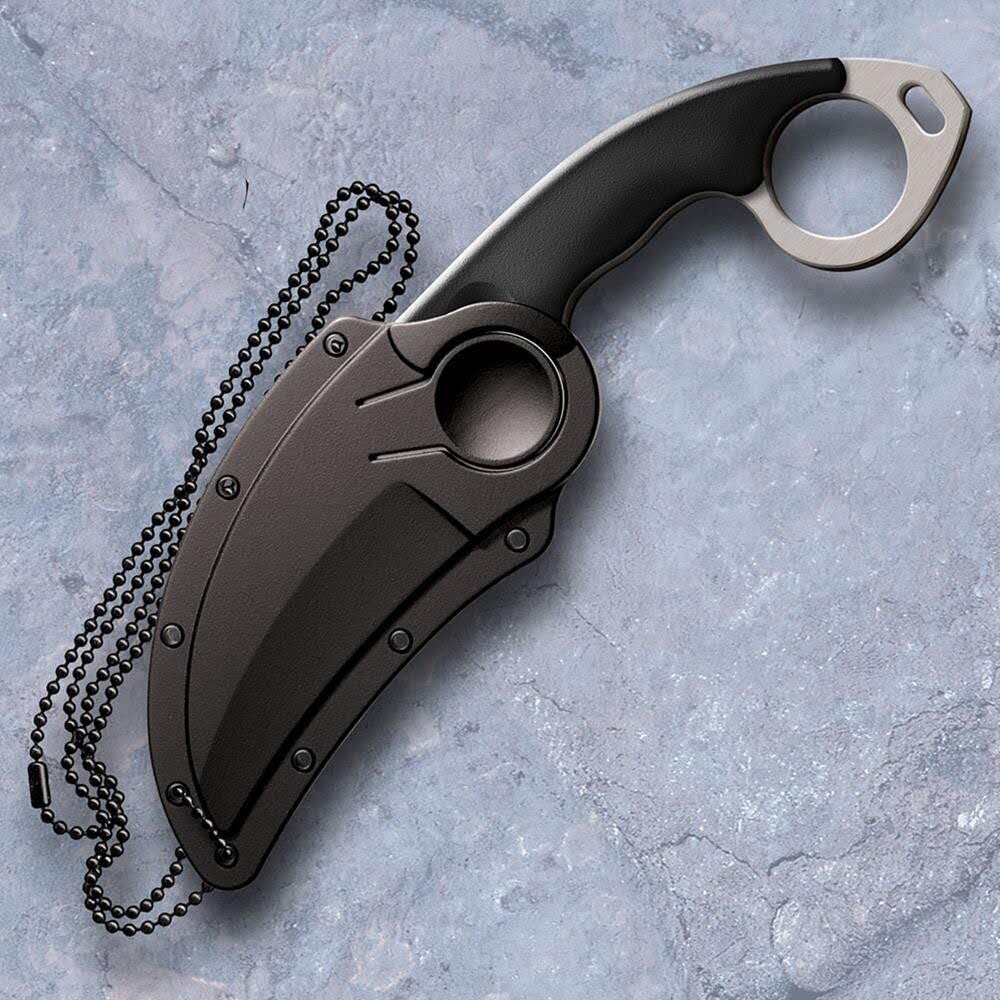
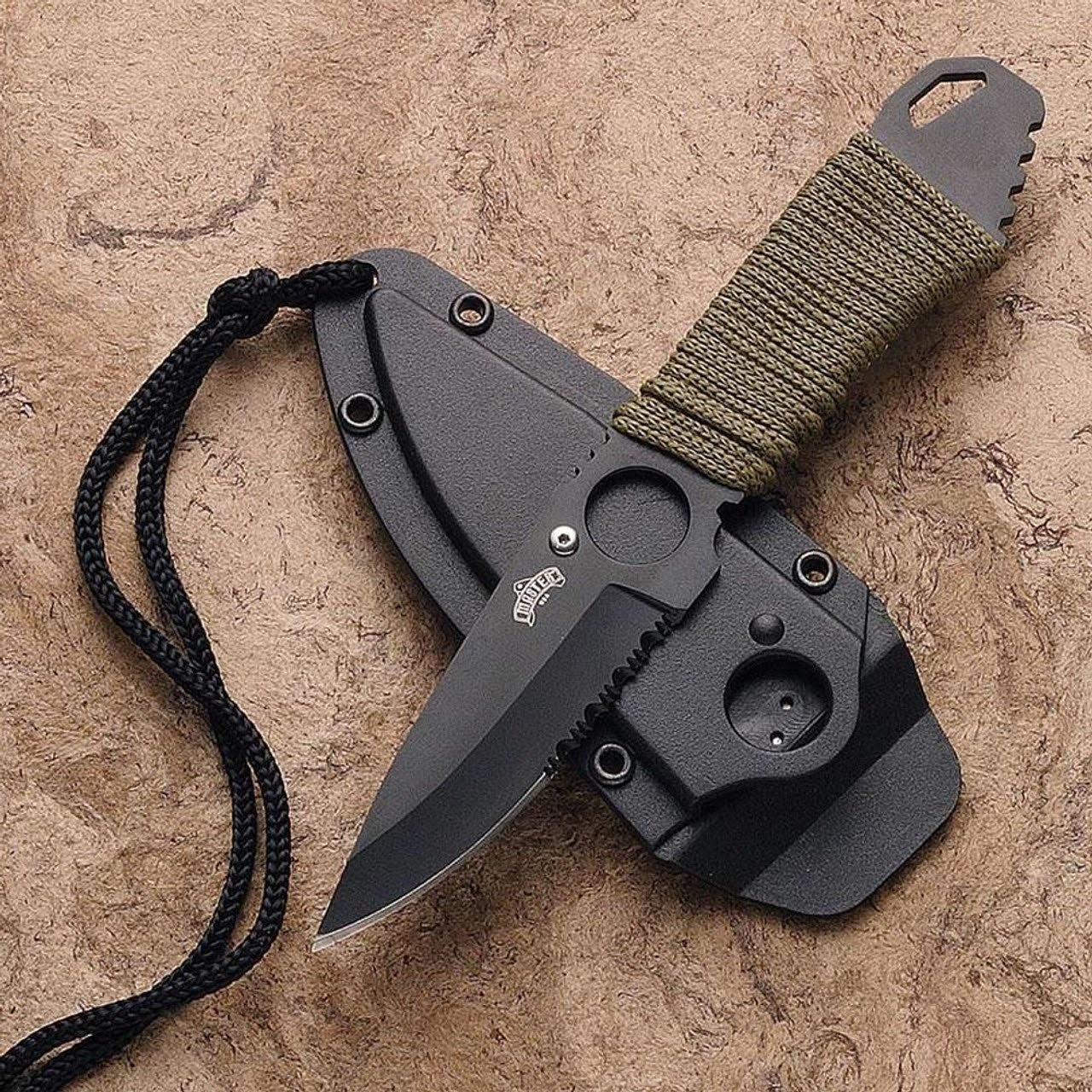
Double Agent I Neck Knife - Serrated
Are Neck Knives Legal?
Neck knives — small fixed-blade knives worn on a neck chain — are generally legal to own in the U.S. There is no federal statute that categorically bans them.
That said, the legality of carrying a neck knife varies by state and municipality. Some jurisdictions prohibit the public carry of fixed-blade knives altogether, require a specific purpose for carry, or treat neck knives as concealed weapons if worn under clothing. Always review your state’s definitions of concealed carry and dangerous or deadly weapons.
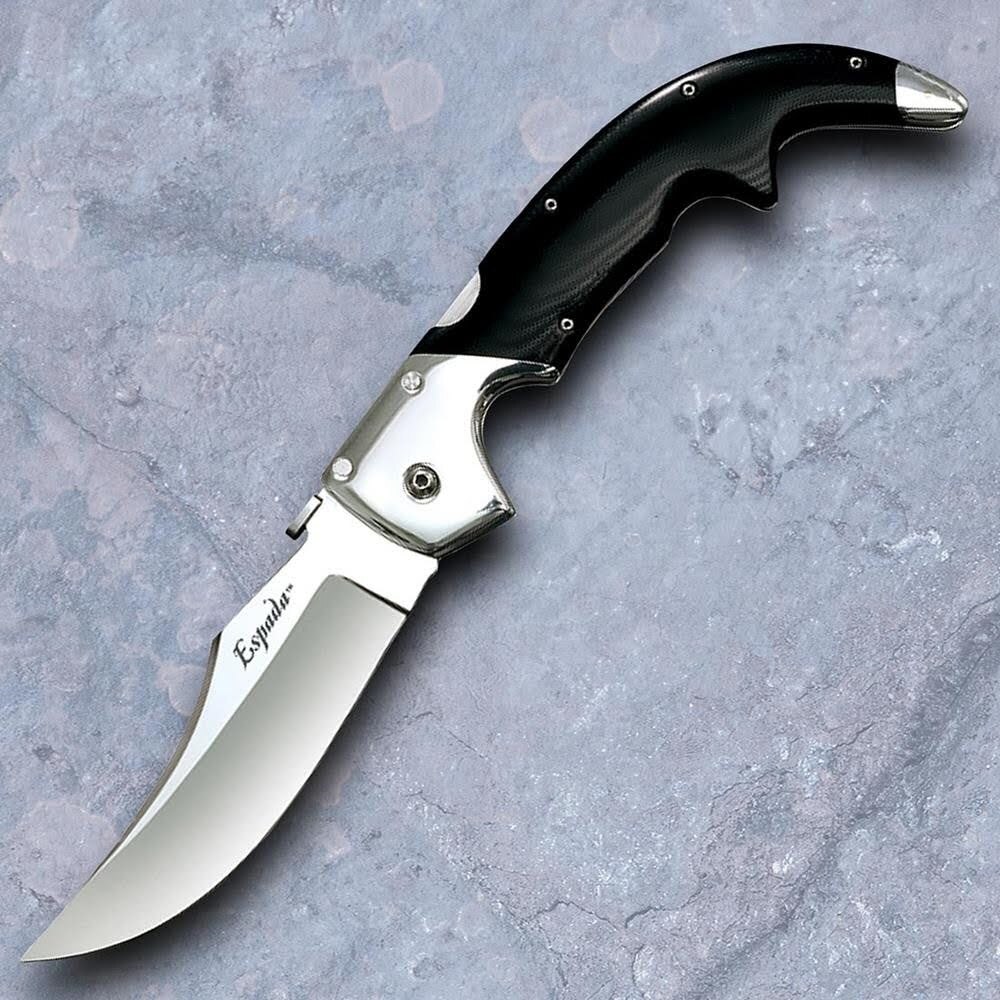
Knife Laws Explained: Ownership vs. Carry
One of the most important distinctions in U.S. knife law is the difference between owning a knife and carrying it.
Ownership (Possession on Private Property)
- In general, private ownership of most knives, including kukris , neck knives , pocket knives and hunting knives , is legal under federal law unless restricted by a specific state or local ordinance.
- Federal restrictions are limited. For example, the Federal Switchblade Act primarily affects interstate commerce and importation, not ordinary in-state ownership.
Carrying (Public Possession on Your Person or in a Vehicle)
- Carry laws vary widely by state, county, and city.
- Some states allow open carry of fixed-blade knives , while others restrict concealed carry without a permit.
- Many states prohibit knives in specific locations such as schools, government buildings, courthouses, parks, or establishments serving alcohol.
Important : Knife laws vary by state and locality. Always consult your state and local statutes before carrying a knife in public.
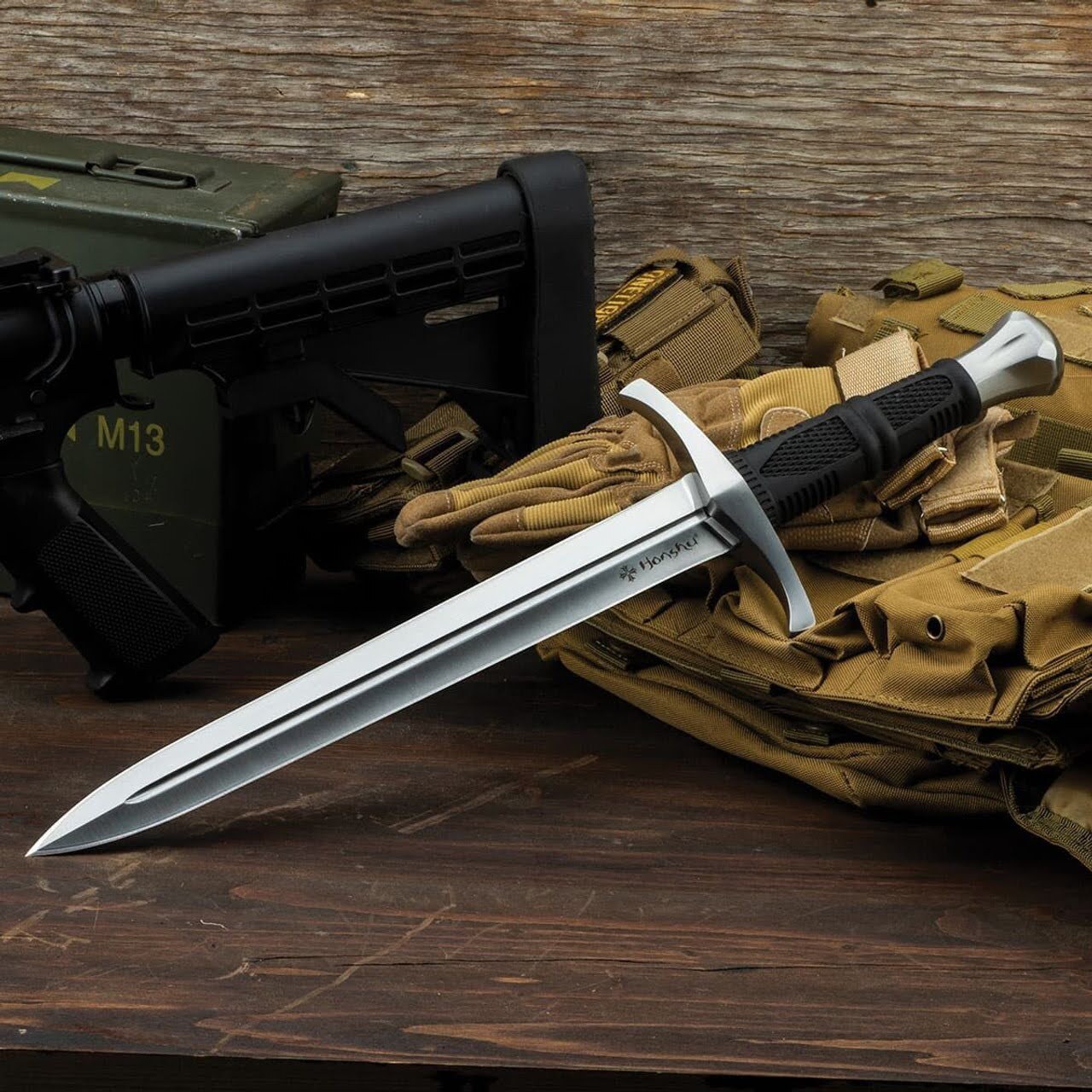
Honshu Crusader Quillon Dagger
What Knives Are Legal for Everyday Carry (EDC)?
There is no single federal rule defining a “legal EDC knife.” Instead:
- Pocket knives and folding knives are commonly legal to carry in many states, particularly if they do not have automatic opening mechanisms.
- Some states restrict or prohibit the carry of switchblades, gravity knives, daggers , or fixed-blade knives without a lawful reason.
- Local ordinances may be more restrictive than state law. Cities and transit systems may impose blade-length limits or outright bans.
Tips for Determining What You Can Carry
- Check whether a knife is legally defined as a weapon in your jurisdiction.
- Review municipal codes in addition to state law, especially in large cities.
- Pay close attention to restrictions around schools, public buildings, and transit systems.
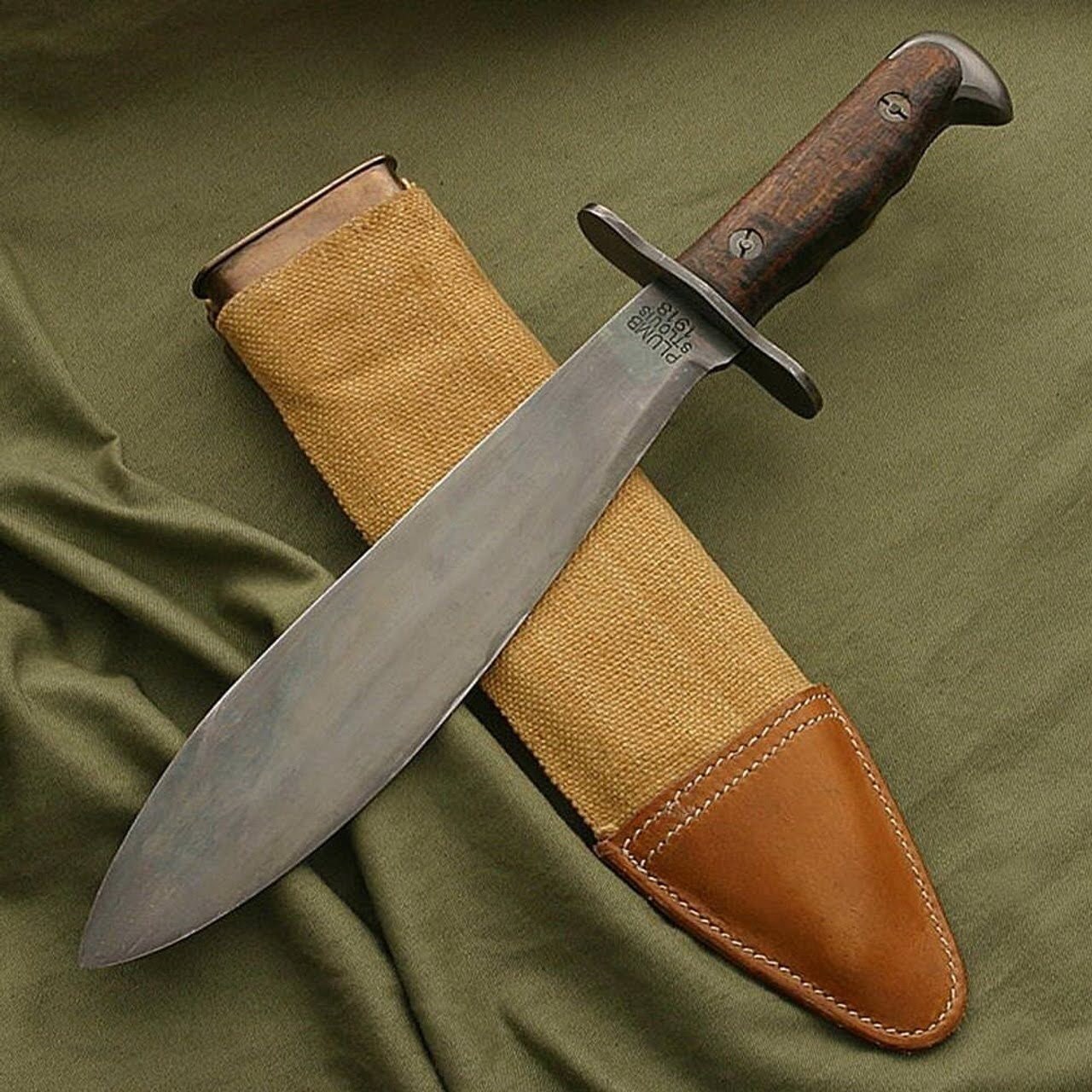
US Model 1917 Bolo Knife with Scabbard
Can You Travel with Knives?
Traveling Across State Lines
There is no federal rule prohibiting travel with knives in your vehicle or in checked luggage. However, certain knives are subject to interstate commerce regulations, and state laws at your destination still apply.
Traveling by Air (Airlines & TSA)
According to the Transportation Security Administration (TSA):
- No knives are permitted in carry-on bags, regardless of size or type.
- knives may be transported in checked luggage, provided they are securely sheathed or wrapped to prevent injury to baggage handlers.
- TSA officers have final discretion at security checkpoints.
Note: Airlines may impose additional rules, and international travel subjects you to the laws of your destination country.

Key Takeaways for Knife Owners & EDC Enthusiasts
- Ownership vs. Carry: Owning a knife is generally legal in the U.S., but carrying one in public is often regulated.
- Kukris & Neck knives : Typically legal to own; public carry depends on state and local law.
- Everyday Carry: Folding knives are widely permitted, but rules vary by jurisdiction.
- Travel:Knives must never be carried in airline cabins but may be transported in checked luggage if properly secured.
Pro Tips Before Carrying a Knife
- Always verify the laws where you live, travel, and carry.
- Understand the legal distinction between carrying a knife as a tool versus for self-defense.
- When in doubt, consult official government resources or a qualified attorney.
Staying Up to Date on State Knife Laws
Knife laws can change, and regulations vary widely by state and even by city or county. To ensure you’re referencing the most current and accurate legal information, consult the Law Library of Congress’s Guide to Law Online, which provides direct links to official statutes and legislative resources for all 50 U.S. states and territories. This government-maintained resource is one of the most reliable ways to review current knife laws where you live or plan to travel.
Legal Notice
This content is provided for educational and informational purposes only and does not constitute legal advice. Knife laws vary by location and may change over time. Readers should verify current regulations through official government sources or consult a qualified legal professional.